Cut-out planet cards
Cut-out planet cards
Cut out the eight cards and arrange them in order from the Sun.
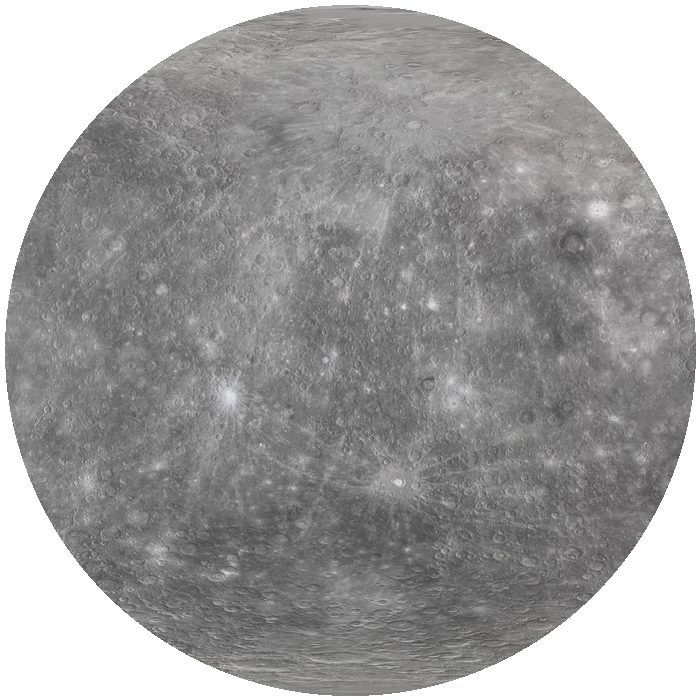
Mercury
Rocky planet
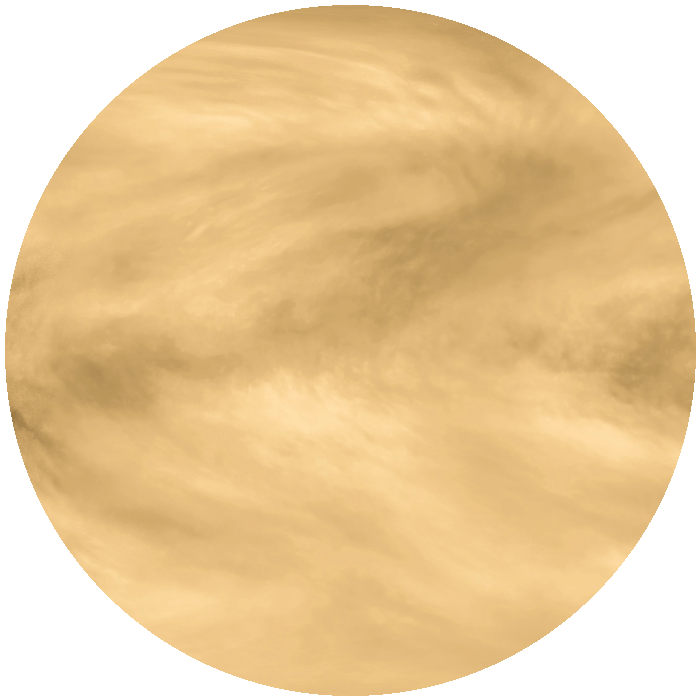
Venus
Rocky planet
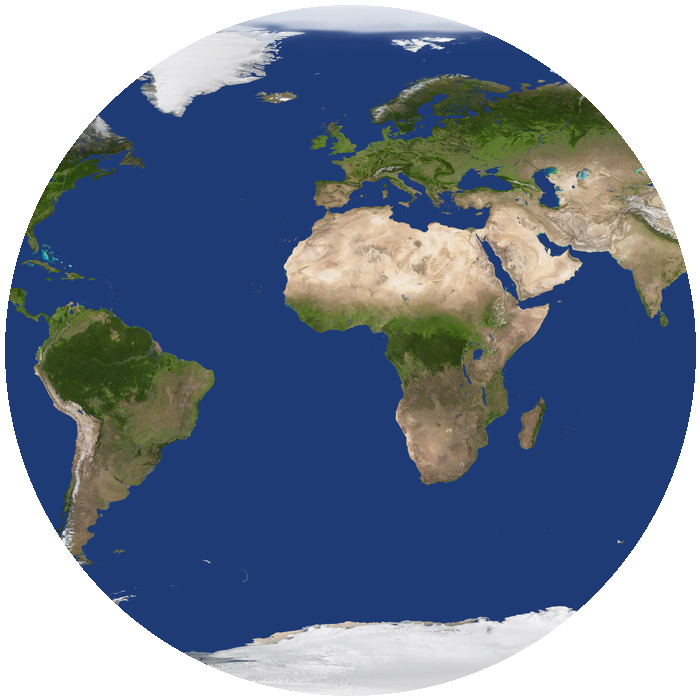
Earth
Rocky planet
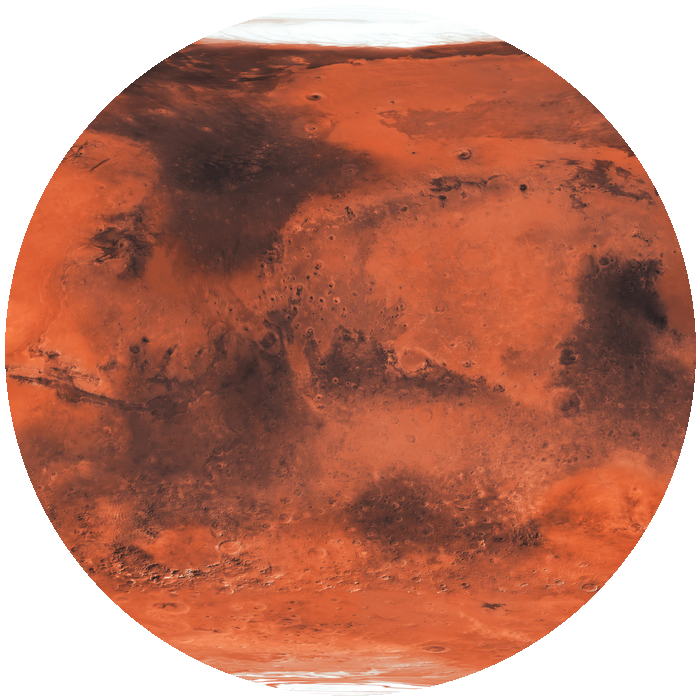
Mars
Rocky planet
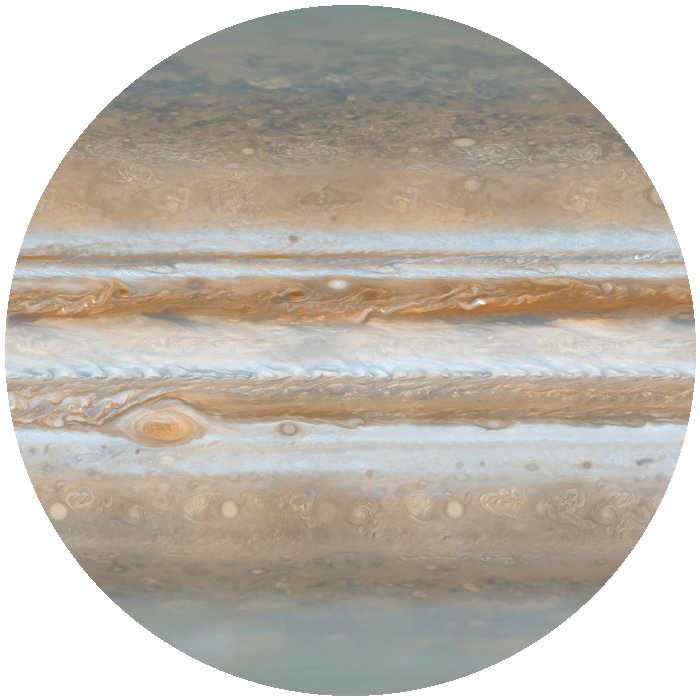
Jupiter
Gas giant
Saturn
Gas giant

Uranus
Ice giant
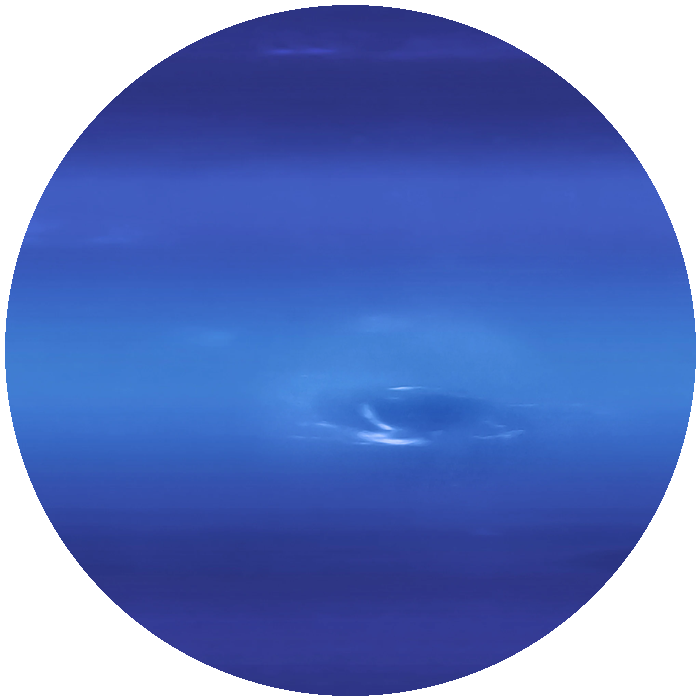
Neptune
Ice giant
Illustrated globes: Solar System Scope (CC BY 4.0). Schematic rings. https://www.solarsystemscope.com/textures/
Student worksheet
English learning edition - November 2026
1. Write the eight planets in order from the Sun.
Answer space
Answer space
Answer space
Answer space
2. Circle the four rocky planets. What do they have in common?
Answer space
Answer space
Answer space
Answer space
3. Locate the main asteroid belt. Where would you place Pluto?
Answer space
Answer space
Answer space
Answer space
Teacher answers
English learning edition - November 2026
Order
Mercury, Venus, Earth, Mars, Jupiter, Saturn, Uranus, Neptune.
Families
The first four are rocky. Jupiter and Saturn are gas giants; Uranus and Neptune are ice giants.
Belts
The main asteroid belt is between Mars and Jupiter. Pluto belongs to the Kuiper Belt, beyond Neptune. Its orbit is elliptical.