SCIENTIFIC FACT SHEET · NATURAL SATELLITE
Moon
The Moon's synchronous rotation keeps nearly the same side facing us. Its craters, dark maria and rocks preserve valuable evidence of the early Solar System.
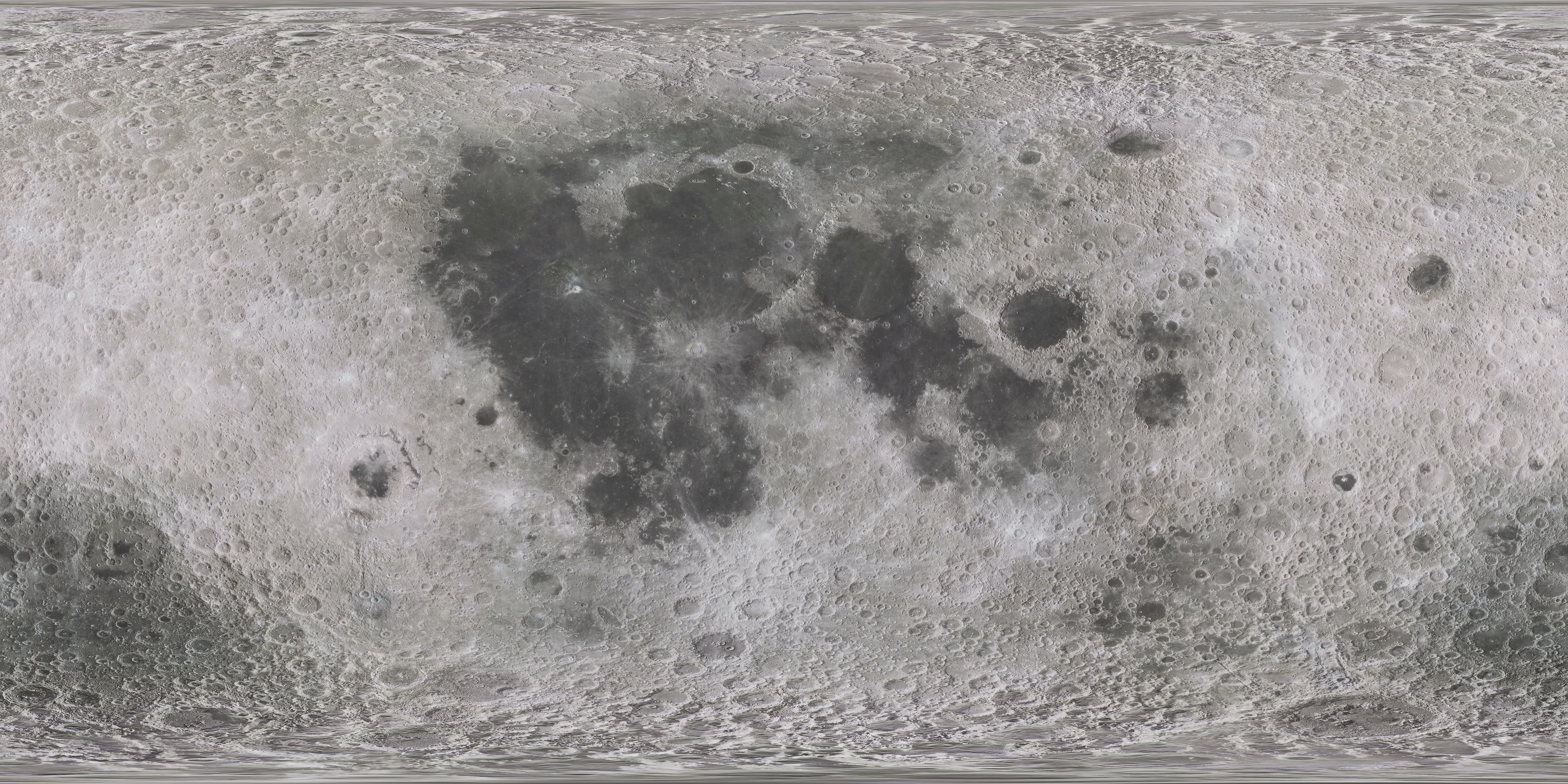
Earth's companion
Values are rounded for readability. The figures and 3D representation are explained in the Method section.
Composition and interior
The Moon is a rocky world with a crust, mantle and small iron-rich core. Its surface is covered in regolith, broken rock and dust produced by billions of years of impacts.
Atmosphere and environment
Its exosphere is too thin to retain heat or effectively protect the surface. Temperatures range from about −173 °C at night to 127 °C in sunlight.
Exploration
The Apollo missions brought hundreds of kilograms of samples back to Earth. International orbiters and landers continue to study the Moon, while Artemis aims to develop lasting human exploration near the south pole.
A remarkable fact
The Moon's rotation is synchronous: it takes as long to spin once as it does to orbit Earth. We therefore see nearly the same side all the time.
THE ESSENTIALS
Three things to remember about Moon
- The Moon reflects sunlight.
- Its surface gravity is about one sixth of Earth's.
- Its average distance from Earth is about 384,400 km.