SCIENTIFIC FACT SHEET · ROCKY PLANET
Earth
Earth combines stable liquid water, a protective atmosphere and geological activity that have allowed life as we know it to develop. Here it is the reference for sizes, masses and distances.
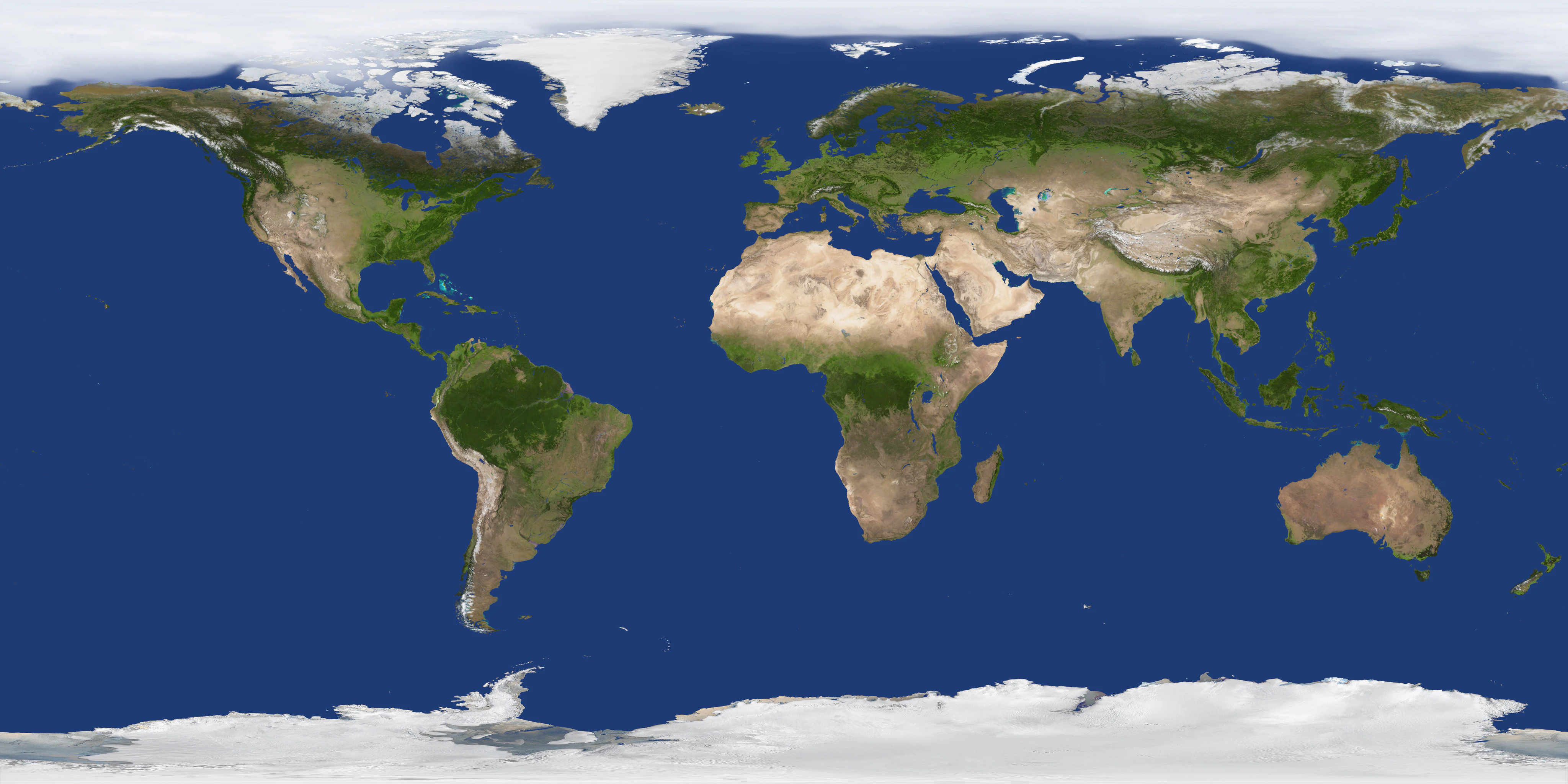
The blue oasis
Values are rounded for readability. The figures and 3D representation are explained in the Method section.
Composition and interior
Earth has an iron and nickel core, a rocky mantle and a crust divided into moving plates. Plate tectonics renews parts of the surface and contributes to the carbon cycle over very long periods.
Atmosphere and environment
The atmosphere contains about 78% nitrogen and 21% oxygen, with argon, carbon dioxide and water vapour. Oceans cover about 71% of the surface and play a major role in regulating climate.
Exploration
Thousands of satellites observe climate, oceans, ice and the atmosphere. The International Space Station maintains a continuous human presence in orbit and serves as a scientific laboratory.
A remarkable fact
Earth is the only world known to support life and stable liquid water on its surface. This does not prove it is alone, but no extraterrestrial life has yet been confirmed.
THE ESSENTIALS
Three things to remember about Earth
- Earth is our reference for comparing other worlds.
- Its atmosphere protects the surface and regulates the climate.
- The Moon helps stabilise the tilt of Earth's axis.